
Transfer Switch vs Interlock Kit: How to Connect a Generator to Your House Safely
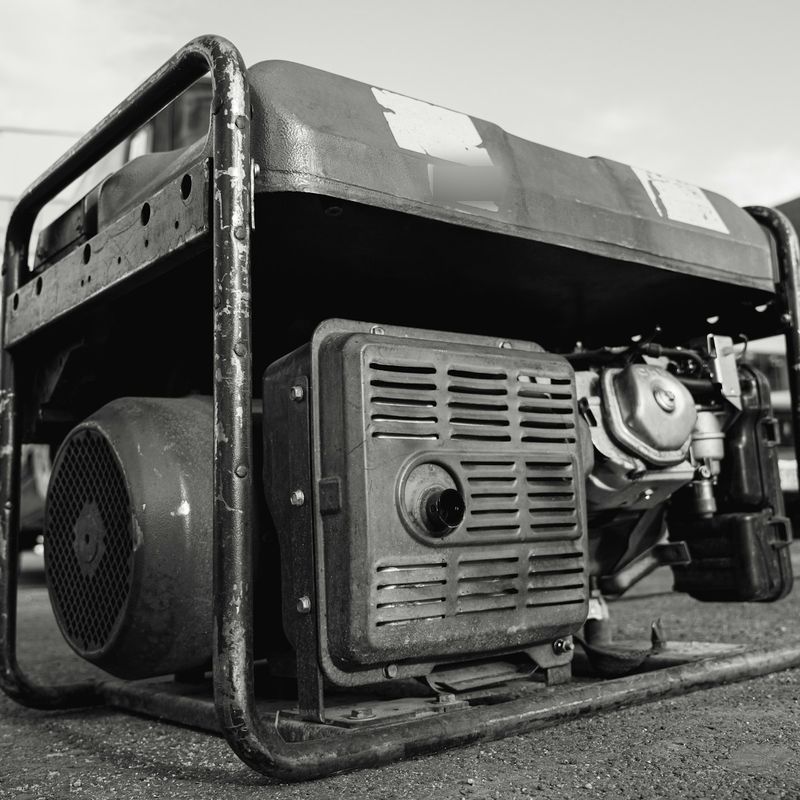
Short answer: never plug a portable generator into a wall outlet or dryer outlet to power your house. To run house circuits safely you need a transfer switch or a panel interlock, connected through a generator inlet and installed by a qualified electrician. Without one, you can send power back out onto the utility lines, which OSHA warns can electrocute utility workers and others in the area. If you don’t have either, run appliances straight off the generator with heavy-duty, grounded extension cords.
Why “backfeeding” is so dangerous
Connecting a generator directly into a building’s wiring without a properly installed transfer switch can energize wiring systems for great distances. That puts line workers fixing the outage, and neighbors, at risk of electrocution. A homemade “suicide cord” (a cord with two male plugs) also leaves live, exposed prongs. A proper setup makes it physically impossible for utility power and generator power to feed your house at the same time.
Backfeed and transfer-switch guidance from OSHA fact sheet “Using Portable Generators Safely” (OSHA 3286), read October 22, 2026.
Your three safe options
| Option | How it works | Good for |
|---|---|---|
| Extension cords only | Appliances plug straight into the generator with heavy-duty, grounded (3-prong) cords rated for the load. | A fridge, a few lamps and phone chargers; no wiring work at all. |
| Manual transfer switch | A small panel next to your main panel. You pick which circuits it covers (fridge, furnace blower, well pump, some lights), and each one flips between utility and generator. | Powering hard-wired loads like a furnace or well pump, with a clear limit on what the generator can be asked to run. |
| Panel interlock | A mechanical plate on your main panel that blocks the main breaker and a dedicated generator breaker from being on at the same time. You then choose circuits with your existing breakers. | Flexible use of any circuit in the panel, as long as you manage the load yourself. |
Both the transfer switch and the interlock usually pair with an outdoor power inlet box, so the generator plugs in with one cord from outside while it runs safely away from the house.
Transfer switch vs interlock: how to choose
- Load control: a transfer switch only offers the circuits wired into it, which makes overloading less likely. An interlock exposes the whole panel, so you must switch off big loads (central AC, electric water heater, range) yourself.
- Your panel: an interlock must be made and listed for your specific panel, and needs a free spot for the generator breaker at the right position. Some panels have no matching kit.
- Generator size: match the switch or inlet to your generator’s outlet (for example a 30-amp or 50-amp twist-lock) and to its running watts.
- Permits and code: either option is real electrical work. Have a licensed electrician install it, pull a permit where your town requires one, and ask whether your utility has its own rules.
- Automatic switches are mostly paired with permanently installed standby generators, not portables.
Safety rules that still apply
- Run the generator outdoors only, at least 20 feet from windows, doors and attached garages, never in a garage, basement or crawl space.
- Install battery-backed carbon monoxide detectors on every level of the home.
- Keep the generator dry, and use GFCI protection in damp locations.
- Don’t overload it, and let it cool before refueling.
- Use cords rated for the watts or amps they carry, and never frayed or damaged ones.
Safety points from ready.gov “Power Outages” (generator safety) and OSHA 3286, read October 22, 2026. For distances and placement in detail, see our generator placement guide.
Quick checklist before you buy
- Decide what must run: fridge, furnace blower, well pump, sump pump, lights
- Cords only, transfer switch or interlock chosen
- Interlock kit listed for your exact panel, or circuits picked for a transfer switch
- Inlet box and cord matched to the generator’s outlet (30 A or 50 A)
- Generator running watts cover the circuits you’ll use at once
- Licensed electrician and permit lined up
- CO detectors on every level; a spot 20+ feet from the house
Shop generators on Amazon
Check each generator’s running watts and outlet type (for example a 30 A or 50 A twist-lock) on the listing before planning a transfer switch or interlock.
Keep reading
See all generators and home backup gear, or read inverter vs conventional generators.
Disclosure: As an Amazon Associate we earn from qualifying purchases. We also earn commissions from eBay and other retailers' affiliate links. Shop links on this page are affiliate links and are marked sponsored.