
Portable Generator Safety: How Far From the House and Where to Put It
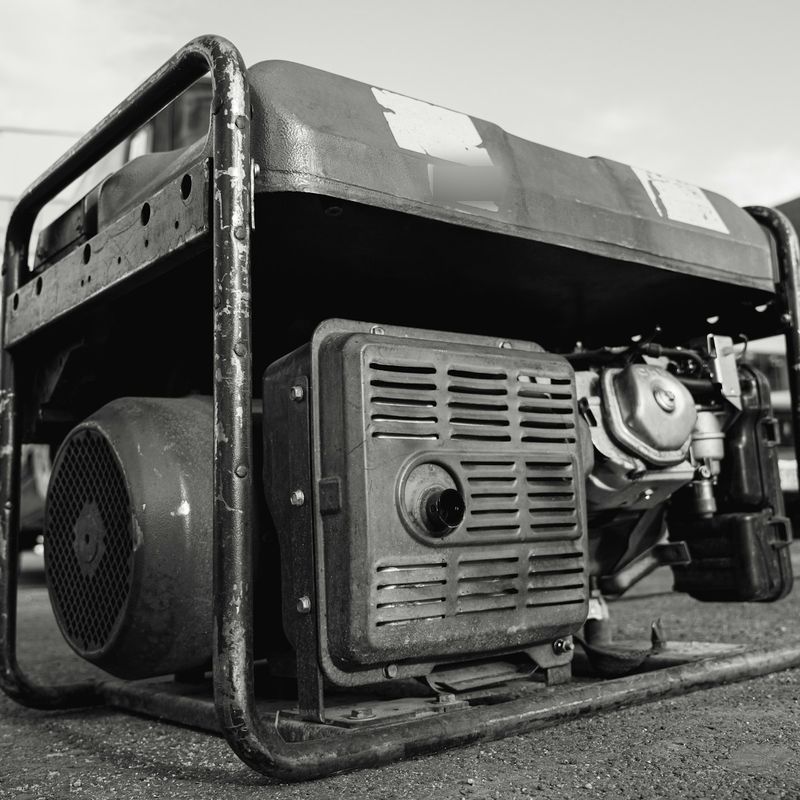
Short answer: run a portable generator outdoors only, at least 20 feet from your home and any building, with the exhaust pointed away from windows, doors and vents. Never run it in a garage, basement, crawlspace or shed, even with the doors open. Put carbon monoxide alarms on every level of the home, keep the generator dry, let it cool before refueling, and power appliances with heavy-duty outdoor extension cords. If you are buying one, look for a CO shut-off feature.
Why placement matters so much
Generators burn fuel and produce carbon monoxide (CO), a colorless, odorless gas that can kill within minutes, often before people notice symptoms. The U.S. Consumer Product Safety Commission calls portable generators one of the leading causes of carbon monoxide deaths after storms. An open door or window does not make an indoor or garage location safe.
Where to put the generator
| Location | Safe? |
|---|---|
| Inside the home, basement or crawlspace | Never |
| Garage (attached or detached), shed, carport with walls | Never, even with the door open |
| Just outside a window, door or vent | No. Exhaust can drift inside |
| Outdoors, 20+ feet from the house and other buildings, exhaust pointed away | Yes |
- Measure the 20 feet before an outage, pick the spot, and make sure your cords reach it.
- Point the exhaust away from the home and from neighbors’ windows too.
- Keep it dry. Rain or flooding on a running generator, or on anything plugged into it, can cause electric shock. Follow the owner’s manual for running it in wet weather.
Carbon monoxide alarms come first
- Install CO alarms (battery-operated or with battery backup) on every level of the home and outside sleeping areas. Interconnected alarms are best: when one sounds, they all sound.
- Test them monthly and replace batteries as needed.
- If a CO alarm sounds, get everyone outside immediately, then call 911.
Connecting and fueling
- Cords: plug appliances directly into the generator or use heavy-duty, outdoor-rated extension cords with no cuts or tears and all three prongs, including the grounding pin.
- Never plug the generator into a wall outlet. This is called backfeeding, and it can electrocute utility workers and others on the same transformer. To power house wiring, have a qualified electrician install a transfer switch.
- Refueling: turn it off and let it cool first. Fuel spilled on hot engine parts can ignite.
- Fuel storage: outside living areas, in properly labeled non-glass containers, away from any fuel-burning appliance.
- Maintenance: run and check it before storm season, and follow every label and warning in the manual.
What to look for when you buy
- CO shut-off: the generator turns itself off when carbon monoxide builds up nearby. CPSC points to models certified to the PGMA G300-2023 and UL 2201-2023 safety standards, which include CO safety technology; UL 2201 certified models also have reduced CO emissions. Look for those standards on the listing.
- Cords long enough to reach a spot 20 feet away, rated for outdoor use.
- Quieter running if neighbors are close (see inverter vs conventional generators).
- A fuel-free option indoors: a battery power station makes no exhaust, so it can run inside for phones, lights and small devices. See what size power station you need.
Placement, CO alarm, shut-off and safety-standard notes from the U.S. Consumer Product Safety Commission release “CPSC Warns of Generator, Carbon Monoxide and Fire Hazards Ahead of Hurricane Season” (May 27, 2026); cord, refueling and dryness notes from ready.gov “Power Outages” (Generator Safety); backfeeding, transfer-switch, cord-condition and fuel-storage notes from the Town of Mansfield, CT Fire Marshal’s “Portable Generators” page; all read October 20, 2026.
Quick checklist
- Spot picked outdoors, 20+ feet from every building, exhaust pointed away
- Never in a garage, basement, crawlspace or shed
- CO alarms on every level and outside bedrooms, tested monthly
- Heavy-duty outdoor extension cords that reach the spot
- No plugging into a wall outlet; transfer switch installed by a qualified electrician
- Generator kept dry; cooled before refueling
- CO shut-off (PGMA G300-2023 / UL 2201-2023) when buying
Shop generators and power stations on Amazon
Check each generator’s CO shut-off feature and safety certifications (PGMA G300-2023, UL 2201-2023) on the listing.
Keep reading
Browse generators, home backup and power stations.
Disclosure: As an Amazon Associate we earn from qualifying purchases. We also earn commissions from eBay and other retailers' affiliate links. Shop links on this page are affiliate links and are marked sponsored.