
E-Bike and E-Scooter Battery Safety: How to Charge, Store and Buy Safely
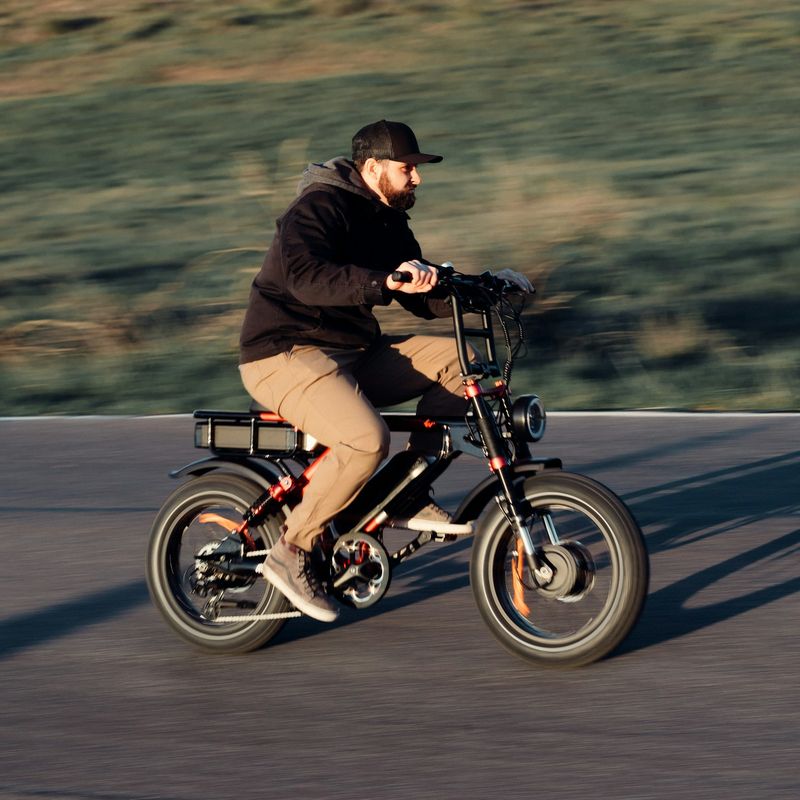
Short answer: charge an e-bike or e-scooter battery only with the charger that came with it (or one the maker confirms is compatible), stay nearby while it charges, unplug it when it is full, and never charge it overnight while you sleep. When you buy, choose a bike, scooter and battery certified to the applicable safety standards and listed by a nationally recognized testing laboratory. And stop using any battery that swells, smells, gets unusually hot or makes popping sounds.
Why lithium-ion batteries catch fire
A lithium-ion battery stores a lot of energy in a small space. The National Fire Protection Association (NFPA) explains that when that energy is released uncontrolled, it produces heat that can turn parts of the battery into flammable and toxic gases. The common causes it lists:
- Physical damage: the battery is crushed, punctured or exposed to water.
- Electrical damage: overcharging, or charging equipment not designed for that battery.
- Extreme temperatures, hot or cold.
- Product defects.
The Consumer Product Safety Commission (CPSC) reports that emergency-room injuries and deaths linked to e-bikes, e-scooters and hoverboards are increasing, and that it has seen many lithium-ion battery home fires and deaths happen at night while batteries were charging and families were asleep.
From NFPA, “Lithium-Ion Battery Safety”, and CPSC, “Micromobility Information Center”, read October 25, 2026.
Safe charging rules
- Use the original charger. CPSC warns against chargers sold as “universal” or “suitable for e-bikes”: they may fit the plug but still be incompatible, and an incompatible charger can make the battery ignite. Between January 1, 2023 and May 16, 2024, CPSC received 156 reports of fires and thermal incidents involving universal chargers for micromobility products. Lost your charger? Ask the bike or scooter maker which replacement is compatible.
- Be there while it charges. Don’t charge while you’re asleep or away from home.
- Unplug when it’s done. Don’t leave the charger connected for long periods after the charge cycle finishes.
- Charge in a safer spot. NFPA says the safest place to charge e-bikes and e-scooters is outdoors, away from any structure, and out of direct sunlight.
- Never charge damaged gear. If the charger or the battery is damaged, don’t charge it.
- Follow the maker’s storage advice. CPSC says to follow the manufacturer’s guidance on how often to charge the battery when you aren’t riding regularly, for example over winter.
From CPSC, “CPSC Urges Consumers to Not Buy or Use ‘Universal’ Chargers with Micromobility Products Due to Fire Hazard” (2024), and NFPA, “Lithium-Ion Battery Safety”, read October 25, 2026.
Where to store the battery
- Not in extremely hot or cold places (a car trunk in summer, an unheated shed in deep winter).
- Not where it blocks the only way out of a room, and not near doors, windows, evacuation paths or sleeping areas.
- If flooding is forecast, unplug battery-powered devices and move them somewhere unlikely to flood.
From NFPA, “Lithium-Ion Battery Safety”, read October 25, 2026.
Warning signs: stop using the battery
NFPA lists the signs that a battery is damaged and the device should not be used: an unusual odor, excessive heat, popping sounds, swelling or a change in color. A battery that has been dropped hard, crushed or soaked deserves the same caution.
If you have a problem with an e-bike or scooter battery, CPSC asks you to report it at SaferProducts.gov. If a battery is ever burning, get everyone out and call 911.
Buying a bike, scooter or spare battery
- Look for certification. CPSC urges riders to use devices and batteries designed, made and certified to the applicable voluntary safety standards. NFPA advises buying batteries listed by a nationally recognized testing laboratory and labeled that way. Check the listing and the label for the certification mark, not just a claim of “meets standards”.
- Spare or replacement batteries: CPSC says to use only a pack that has been tested and approved to work with your device and confirmed as suitable by the device maker.
- No rebuilt packs: never use a battery that has been modified or reworked by unqualified people, or one built from used or repurposed cells.
- Buy the charger with the bike. If a second charger (for work or travel) matters to you, buy the maker’s own model.
From CPSC, “Micromobility Information Center”, and NFPA, “Lithium-Ion Battery Safety”, read October 25, 2026.
Getting rid of an old battery
Lithium-ion batteries must not go in household trash or general recycling bins. CPSC says to take them to a battery recycler instead, and NFPA warns they can cause fires during transport and at landfills and recyclers. Use a battery recycler or a household hazardous waste collection point; many stores that sell lots of batteries run take-back programs. If your battery or device has been recalled, follow the disposal instructions in the recall notice.
Battery safety checklist
- Original charger (or a maker-approved replacement), never a “universal” one
- Charging only while you’re awake and home
- Unplugged once the charge is complete
- Charging and storage spot away from exits, sleeping areas and extreme heat or cold
- Certification mark checked on the bike, scooter and any spare battery
- Battery inspected for swelling, odor, heat, popping or discoloration
- Old batteries taken to a recycler, not the trash
Shop e-bikes, scooters and ride gear on Amazon
Check each listing for the safety certification of the bike or scooter and its battery, the included charger, and the maker’s approved replacement batteries.
Keep reading
See all e-bikes, electric scooters and ride gear, or read e-bike classes explained and LiFePO4 vs NMC batteries.
Disclosure: As an Amazon Associate we earn from qualifying purchases. We also earn commissions from eBay and other retailers' affiliate links. Shop links on this page are affiliate links and are marked sponsored.